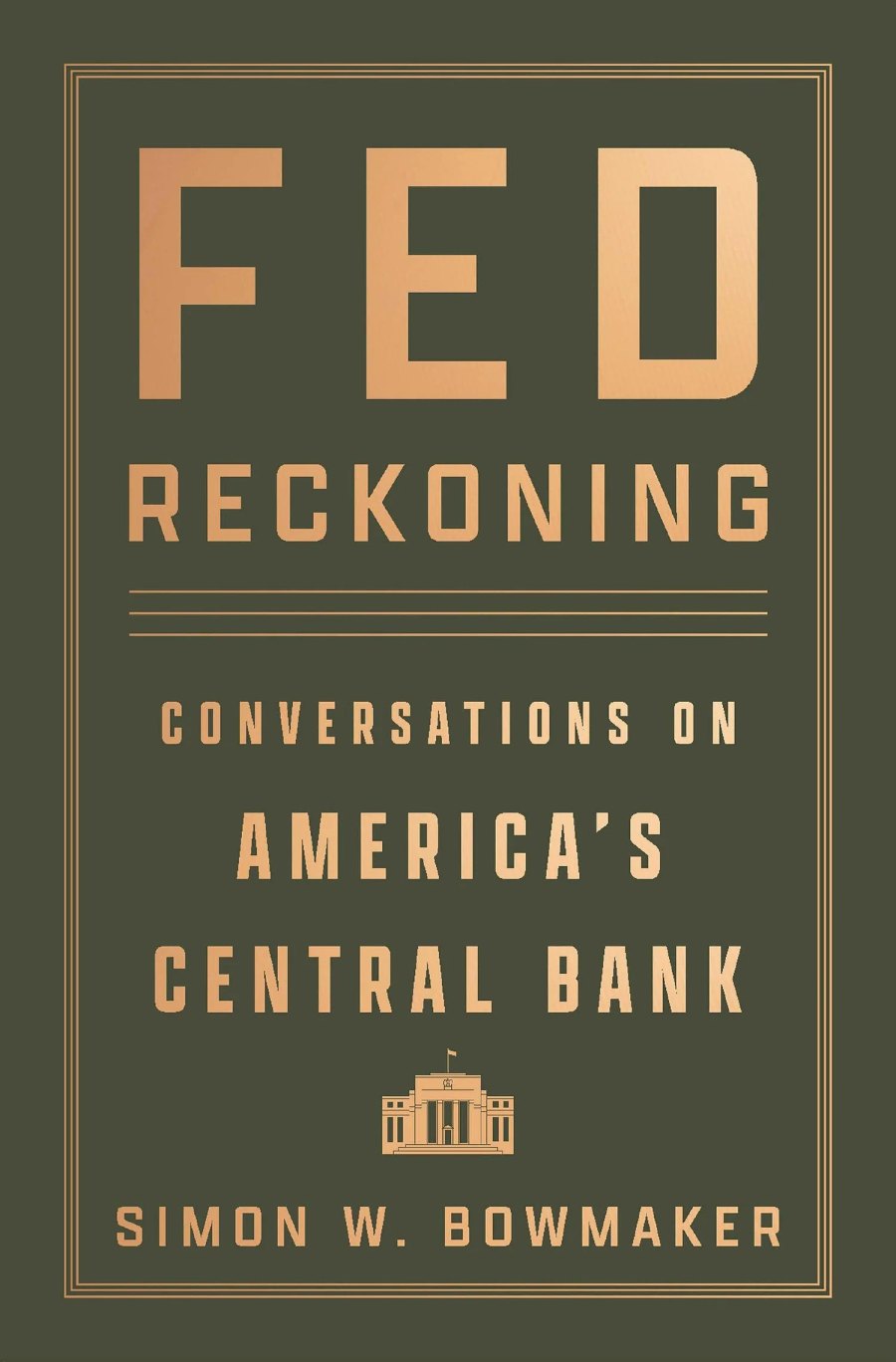
Simon W. Bowmaker · Yale University Press · 2027
Fed Reckoning
Conversations on America’s Central Bank
Select a face
The book
Fed Reckoning
“When the Titanic sank on April 15, 1912, several prominent millionaires were among those who perished. They included Isidor Straus, a banker and owner of Macy’s department store; Benjamin Guggenheim, a builder of mining machinery; and John Jacob Astor, a property tycoon. But John Pierpont Morgan, a financier and investment banker, had dodged death and disaster.
In navigation, dead reckoning is the process of calculating your current position from some previously determined or known position by incorporating an estimate of speed, direction traveled, and elapsed time. It is also used to plan a ship’s future course and required speed. Dead reckoning is the metaphor used in this book to determine the Federal Reserve’s current position and its future path—where it is at and where it is going. This comes at a time when political forces in the United States threaten the Fed’s independence; it finds itself under greater media scrutiny than ever before; and a curious combination continues to exist: the public does not appear to understand what the Fed is—or what it does—but trust in the central bank is low.”
The themes
Seven themes, 21 perspectives
- 1
Structure
The central bank's unique structure and governance.
- 2
Mandate
How the Fed has interpreted its dual mandate of price stability and full employment.
- 3
Lender of last resort
Its evolving — and at times controversial — role in financial stability.
- 4
Hot buttons
Whether it should be concerned with issues like climate change.
- 5
Accountability
The appropriate level of accountability to Congress.
- 6
Communication
Whether the changes to its communications and transparency have helped.
- 7
What's ahead
How the Fed should prepare for the challenges that may lie ahead.
Praise
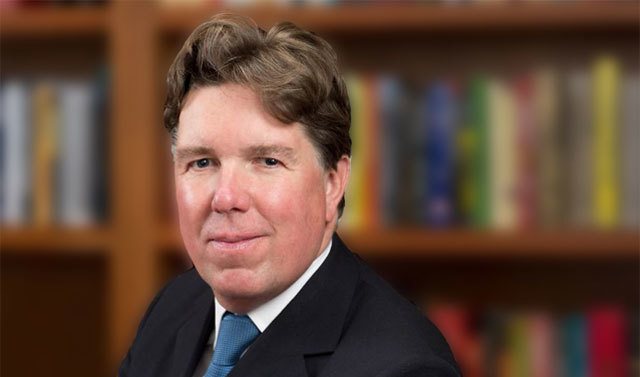
“We know a lot less than we might about this very powerful organization. Simon Bowmaker’s book comes, therefore, as a major step in making sense of the Fed as a central institution of the modern world.”
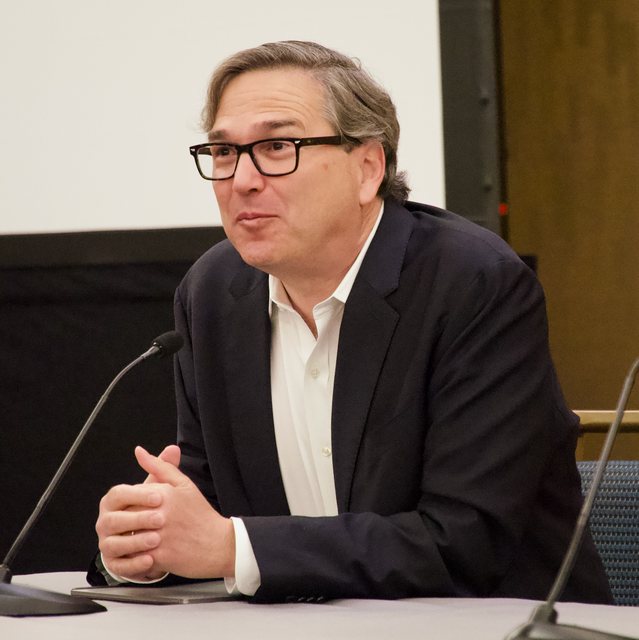
“Fed Reckoning is a unique and indispensable resource for anyone who cares about central banking. The people who have done the most to shape the Federal Reserve—from the inside and outside—reflect candidly on the most important economic and institutional issues facing our economy today. The result ranges from the personal to the analytical and is essential reading for anyone trying to understand where the Fed has been and where it is headed.”

“With its interviews of key policymakers, Simon Bowmaker’s book opens wide a door into the often-obscure world of Fed policymaking.”
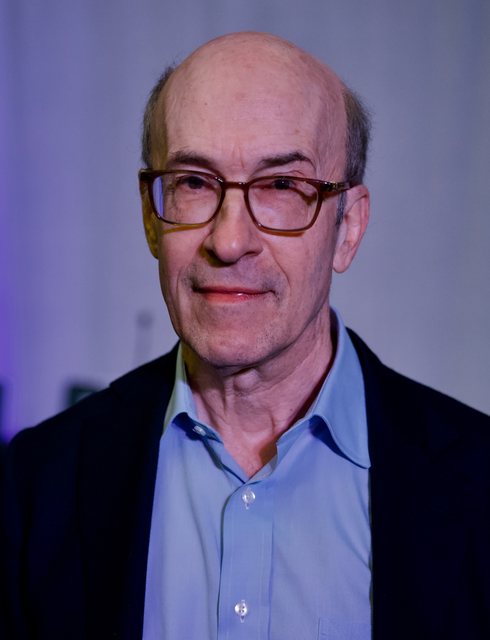
“A treasure trove of interviews of people who have played a notable role in shaping 21st century Federal Reserve policy.”
In the press
- Curbing release of Fed meeting transcripts may improve debate, Warsh says in bookReuters · Howard Schneider · May 6, 2026
- Senate panel advances Trump’s pick for Federal Reserve chiefThe Washington Post · Andrew Ackerman · April 29, 2026
- Trump’s Fed Chair Nominee Fails the Big TestThe Bulwark · Catherine Rampell · April 22, 2026
- Why Trump’s Federal Reserve Pick May Surprise HimPolitico · Victoria Guida and Ian Ward · February 4, 2026
- How Fed Pick Warsh Survived Trump’s Ultimate Reality ShowThe Wall Street Journal · Nick Timiraos and Brian Schwartz · January 20, 2026
The author
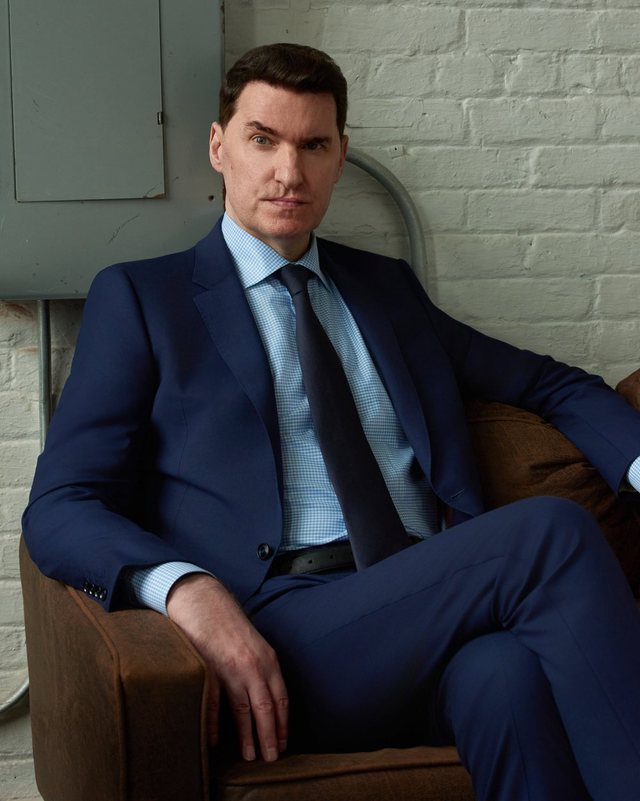
Simon W. Bowmaker
Simon Bowmaker is Distinguished Clinical Professor of Economics at NYU’s Stern School of Business, where he has taught since 2007. He has also taught at Stanford, the London School of Economics, Imperial College London, Georgia Institute of Technology, and the University of Texas at Austin.
Through in-depth interviews, his books explore how economists do research, shape policy, and teach, and examine the institutions in which they operate. Fed Reckoning: Conversations on America’s Central Bank follows When the President Calls: Conversations with Economic Policymakers, The Art and Practice of Economics Research, and The Heart of Teaching Economics.
Before academia, he worked as an economist at HSBC Markets, the UK Government Economic Service, and Cambridge Econometrics. He holds degrees from the universities of Aberdeen, Cambridge, and St Andrews. He was born and raised in Sunderland, England.